

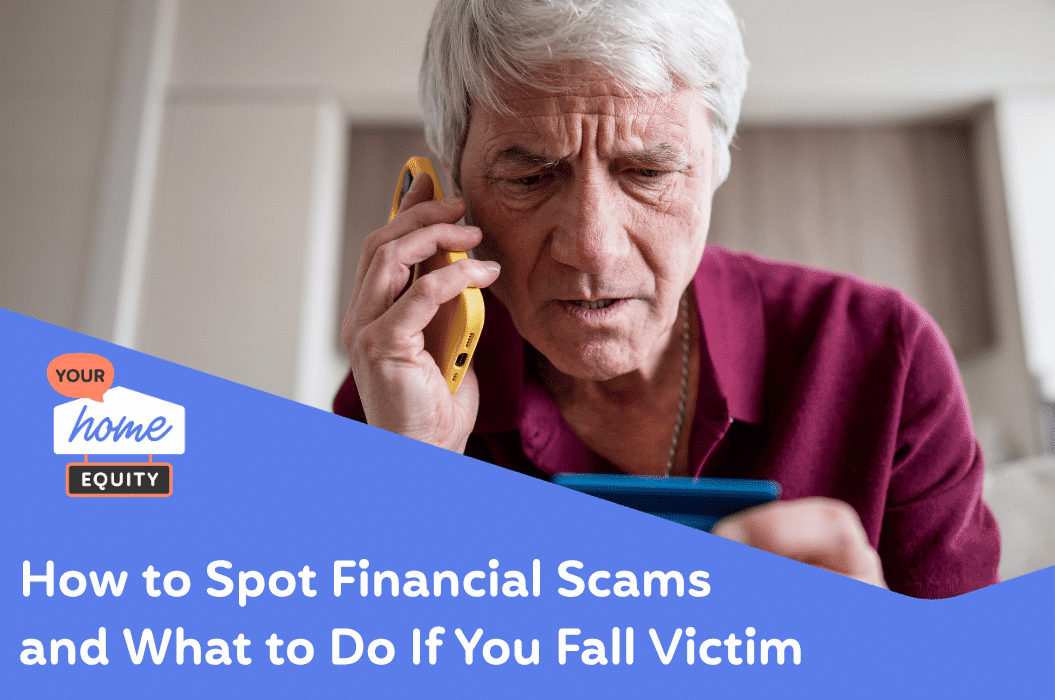
Most people believe they will never fall victim to a scam; unfortunately, scammers rely on this belief.
Scammers are no longer simply sending poorly written emails asking for bank details. They are organised criminal networks that spend weeks, months, and sometimes years building trust before asking for money. Many victims are intelligent, experienced people who simply believed they were helping someone they cared about.
Our guide explains the warning signs, the most common scams we are seeing, and what you should do if something doesn’t feel right.
Warning Signs Of Common Scams
Many complex scams are circulating that are becoming all too common, and it is important to be aware of what to look for to stay financially safe.
Romance Scams
A scammer may contact you through a social media platform (such as Facebook and Instagram) or even ‘accidentally’ message your phone. Over time, they become involved in your everyday life and promise a future together, and then they will need financial help from you.
- Warning signs: They will often avoid meeting in person and make video calls brief or cancel them altogether. They also ask you not to tell family, and every emergency they have requires money.
Gift Card Scams
In this scam, a scammer asks you to purchase gift cards and send photographs of the card numbers or activation codes, claiming they are needed for a birthday, groceries, etc. They often pretend to be a member of Centrelink or the Tax Office, falsely stating that you need to pay your debt to them.
- Warning Signs: No reputable Australian government agency or business will require payment via gift card.
Property Scams
Usually, with this scam, a scammer develops an online relationship before convincing the victim that they are purchasing a luxury property together, with the victim only having to put down “a small deposit in return for millions of dollars of property”.
- Warning Signs: They will often pursue with high pressure, an urgency to transfer funds, and requests for payment via cryptocurrency or gift cards (which are harder to trace).
Celebrity and Public Figure Scams
A scammer will claim to be a well-known public figure or a successful person in their chosen field. This begins on social media or a fan page and then moves to a private messaging app like WhatsApp or Telegram.
- Warning Signs: They often claim they cannot meet because they are busy, ask to keep the relationship a secret, and say their money is temporarily inaccessible.
Investor and Cryptocurrency Scams
Rather than asking for money immediately, the scammer introduces an ‘exclusive investment opportunity’. This may look like a genuine investment site, but when you go to withdraw your money, the site will disappear.
- Warning Signs: Sometimes you will be allowed to withdraw a small amount to build confidence before the website stops allowing withdrawals altogether.
Recovery Scams
After a victim loses money, they are contacted by someone claiming to be a lawyer, cyber investigator, or similar who says they have located the lost funds. However, they require an advance payment to release them.
- Warning Signs: Genuine recovery will not ask for upfront payments.
What Do I Do If I Have Been Scammed?
Trust your instincts; if something doesn’t feel right, seek advice immediately.
Step 1: Stop
- Completely stop interacting with the person you believe to be scamming you. This means no more communication, no more sending money or signing documents, etc.
Step 2: Talk to someone you trust
- Scammers often tell people not to tell anyone, as another person is likely to recognise the scam immediately
Step 3: Contact your bank immediately
- Ask to speak to the fraud or scam team.
Step 4: Protect your identity
- If you have shared any personal identification documents, change your passwords and ensure your accounts have multi-factor authentication.
Step 5: Keep evidence
- Do not delete any communication or bank account details, as this may assist with an investigation.
Where To Get Help?
Your Bank
If money has been transferred, contact your bank immediately and ask for the fraud or scam team.
Scamwatch
Scamwatch is the Australian Government’s national anti-scam service. It provides advice on recognising scams and allows you to report suspicious activity.
ReportCyber
Report online fraud and cybercrime through the Australian Government’s ReportCyber service.
- Contact the Australian Cyber Security Hotline: 1300 CYBER1 — 1300 292 371
IDCARE
Australia’s national identity and cyber support service. IDCARE can help you understand the steps to protect yourself if you’ve shared personal information or identity documents.
- Contact the IDCARE telephone: 1800 595 160
The information in this article is general in nature and has been prepared without taking into account the needs, objectives, or financial situation of any particular individual. Individuals should consider their own circumstances and, if necessary, seek professional advice. All reverse mortgage products are subject to the terms, conditions and approval criteria of the lenders and fees and charges apply.
Equity Mortgage Specialists Pty Ltd trading as Your Home Equity / Corporate Credit Representative (No. 530659) and Scott Phillips, Authorised Credit Representative (No. 547787) of QED Services Pty Ltd trading as Pursuit Broker Services / Australian Credit Licence 387856 / ACN 147 272 295